
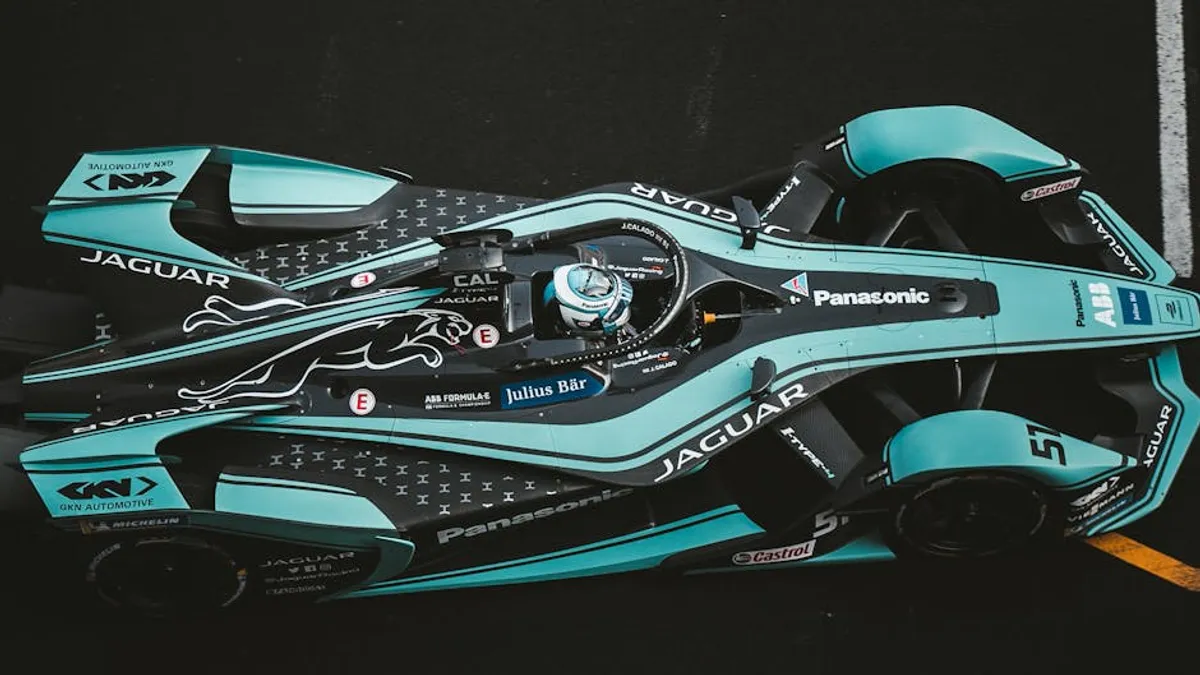
The dynamic world of Formula 1 presents a significant content opportunity for publishers and marketers aiming to capture a highly engaged global audience. Beyond the transient appeal of race results, the sport generates continuous interest across multiple content vectors: breaking news, driver and team lineups, detailed fixture schedules, and ongoing technical or regulatory updates. For content strategists, understanding how to effectively cover these distinct yet interconnected areas is crucial for establishing authority, driving traffic, and monetizing audience engagement. The commercial value lies in serving a passionate fan base that actively seeks granular detail, real-time information, and informed commentary, offering diverse avenues for content creation and distribution.
Capturing Real-Time Formula 1 News
Delivering timely Formula 1 news requires a focused approach to information acquisition and rapid content deployment. The news cycle in F1 is driven by several predictable events, such as race weekends, official team announcements, and regulatory changes, alongside unpredictable developments like driver market rumors or technical protests. Content that breaks down complex technical directives or analyzes team principal statements often outperforms simple race recaps in terms of sustained engagement.
Identifying Key News Triggers
Effective news coverage begins with anticipating and monitoring core F1 information sources. This includes official F1 channels, team press releases, reputable motorsport journalists, and regulatory body announcements (e.g., FIA). Prioritizing news based on its potential impact on championships, team dynamics, or fan interest ensures editorial relevance. For instance, a new technical directive can generate significant search interest from fans seeking explanations of its implications for car performance, while a major driver contract extension drives immediate, high-volume queries.
Structuring News Content for Search
News articles should be structured for clarity and search engine visibility. This involves clear, descriptive headlines that incorporate relevant keywords (e.g., "Max Verstappen contract extension Red Bull 2028"), an immediate summary of the core news point, and subsequent paragraphs that elaborate on context, implications, and expert commentary. Implementing schema markup for news articles can further enhance visibility in search results, particularly for "Top Stories" carousels. Regular updates to existing news pieces, rather than publishing entirely new articles for minor developments, can consolidate authority and improve ranking for evolving stories.
Presenting Driver and Team Lineups
Driver and team lineups are fundamental to Formula 1 fan engagement, serving as a constant reference point throughout the season and a major topic during the off-season. Content covering lineups must prioritize accuracy, clarity, and ease of access, as fans frequently return to these pages for confirmation or updates.
Data Accuracy and Presentation
Static pages detailing current driver pairings, team principals, and key technical staff provide evergreen value. These should include essential data points such as driver nationality, car number, and team engine supplier. For the off-season, content tracking "driver market" movements or "2025 F1 lineups" becomes highly valuable, capitalizing on speculative interest and official confirmations. Presenting this information in a structured, tabular format or with clear profiles for each driver and team enhances user experience and makes the content highly scannable.
Pro Tip: When presenting driver or team lineup data, ensure all information is cross-referenced with official Formula 1 or team announcements. Inaccurate or speculative data, especially concerning contracts or team personnel, can quickly erode reader trust and damage content authority. Prioritize direct sources over unverified rumors for core data pages.
Managing the Formula 1 Fixture Calendar
The Formula 1 fixture calendar is a critical piece of information for fans planning their viewing and engagement. A dedicated, up-to-date calendar page is a high-utility asset, drawing consistent traffic throughout the year.
Integrating Race Schedules
A comprehensive F1 fixture page should list all Grand Prix events, including dates, host circuits, and local start times, ideally with a mechanism for users to convert to their local time zone. Beyond the race itself, including practice and qualifying session times adds further value. Integrating direct links to race reports, circuit guides, or historical results for each event transforms a simple calendar into a central navigation hub for F1 content. This approach not only serves user intent but also creates internal linking opportunities that strengthen site authority.
- Race Name and Circuit: Clear identification of each Grand Prix.
- Dates: Practice, qualifying, and race days for each event.
- Local Start Times: Essential for international audiences.
- Time Zone Converter: A user-friendly tool for personalized schedules.
- Broadcast Information: Where applicable, listing official broadcasters by region.
- Historical Data Links: Access to previous race results or circuit records.
Delivering Comprehensive Formula 1 Updates
Beyond scheduled news and fixtures, Formula 1 is a sport of constant evolution. Providing comprehensive updates encompasses everything from minor rule clarifications to significant car development insights, keeping the audience informed on the broader narrative.
Beyond Race Results: Technical and Strategic Shifts
Comprehensive updates extend beyond mere race outcomes. This includes deep dives into technical innovations (e.g., new aero packages, power unit developments), strategic analyses of team decisions during races, and explanations of regulatory changes. Content that explains the "why" behind performance shifts or controversial moments provides significant value. For example, an article dissecting the impact of a new floor design on a specific car's cornering ability offers more enduring utility than a simple report of its introduction. Monitoring official F1 technical documents and team principal interviews provides rich source material for these types of updates.
Maximizing Engagement with F1 Content
To fully capitalize on Formula 1's appeal, content must not only be accurate and timely but also engaging. This involves a multi-faceted approach to content presentation and promotion.
Engagement strategies:
- Visual Content: Incorporate high-quality imagery and video clips (within licensing guidelines) to enhance article appeal. Infographics explaining complex rules or car components can significantly improve comprehension and shareability.
- Interactive Elements: Polls, quizzes, or comment sections encourage direct audience participation, fostering a sense of community around the content.
- Social Media Integration: Promote F1 content across relevant social platforms, tailoring posts to each platform's audience and format. Utilize relevant hashtags to extend reach.
- Email Newsletters: Curated weekly or post-race digests can drive repeat traffic and build a loyal readership base.
- Evergreen Content Updates: Regularly review and update foundational F1 articles (e.g., "History of Formula 1," "Understanding F1 Regulations") to maintain their relevance and search performance.
By consistently delivering high-quality, detailed, and accessible information across news, lineups, fixtures, and broader updates, publishers can establish themselves as a go-to resource for Formula 1 enthusiasts. This not only drives organic traffic but also cultivates a loyal audience, creating diverse opportunities for commercial growth through advertising, affiliate partnerships, and direct monetization.
Frequently Asked Questions
How often should F1 lineup pages be updated?
Driver and team lineup pages require updates as soon as official announcements are made regarding contract renewals, driver transfers, or significant personnel changes. During the season, grid lineups for each race should be updated after qualifying sessions.
What is the most effective way to present the F1 race calendar?
The most effective presentation combines a clear, chronological list of races with key details like dates, circuit names, and local start times. Including a time zone converter and links to individual race previews or results enhances utility.
How can content differentiate F1 news coverage?
Differentiation comes from providing unique analysis, expert commentary, and detailed explanations of technical or strategic developments that go beyond basic race reports. Exclusive interviews or data-driven insights also set content apart.