
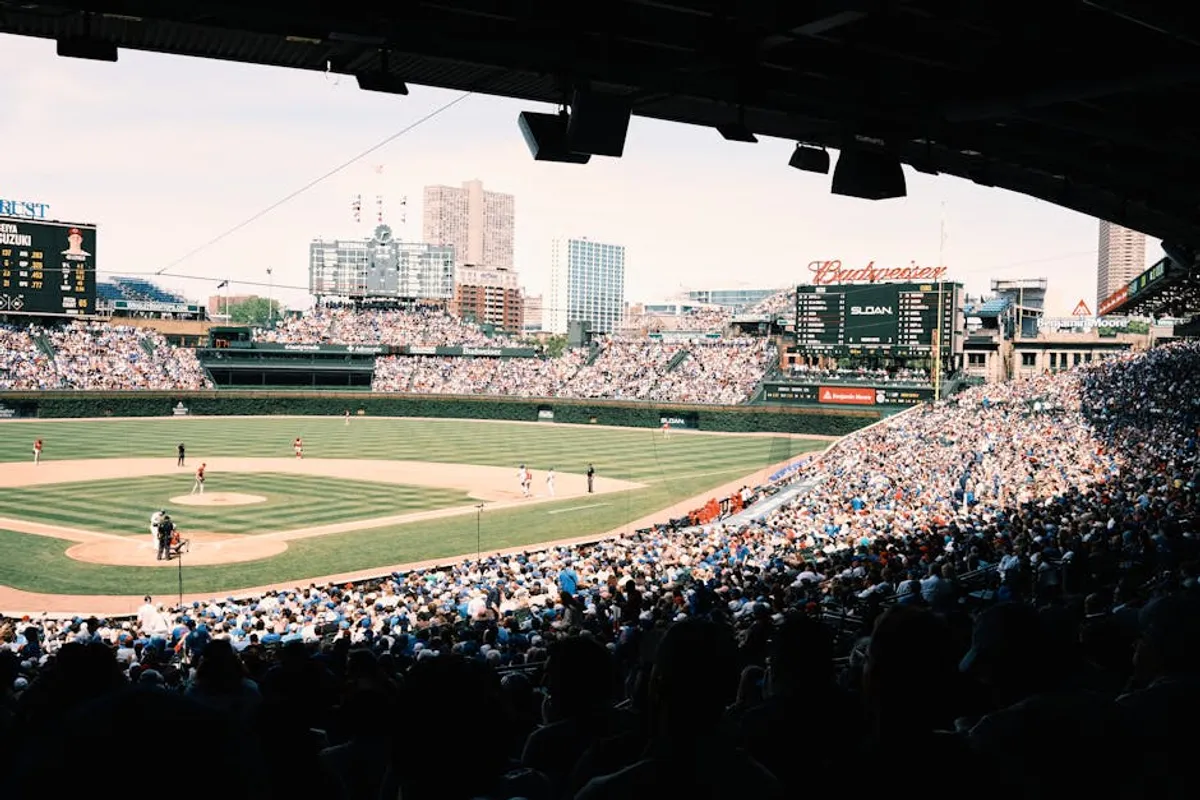
Community sites seeking to expand their audience reach and deepen local engagement often overlook one of the most consistent drivers of hyper-local interest: sports. Coverage of local athletic events, from high school football to amateur adult leagues, provides a direct conduit to a highly invested audience. This content delivers tangible benefits, including increased organic search visibility for specific local queries, higher repeat visitor rates, and new avenues for local advertising revenue. The decision to integrate local sports coverage is not merely about adding content; it is about cultivating a central hub for community information that reinforces the site's authority and relevance within its geographic footprint. This strategy positions a community site as an indispensable resource, capturing attention that traditional media often cannot sustain at a granular level.
Identifying Your Local Sports Niche
Effective local sports coverage begins with precise audience targeting. Not all local sports generate equal interest or offer the same opportunities for content creation and engagement. Prioritize based on community size, existing media gaps, and potential for sustained content.
High School Athletics: The Core Audience
High school sports represent a foundational element of many local communities, drawing consistent interest from students, parents, alumni, and local residents. Content opportunities are abundant and often evergreen:
- Game Recaps: Timely, detailed summaries of contests, focusing on key plays and individual performances.
- Player Profiles: Features on standout athletes, highlighting their achievements, academic pursuits, and future aspirations. These stories are highly shareable within family and school networks.
- Team Schedules and Standings: Essential utility content that drives repeat visits, especially when updated regularly.
- Coach Interviews: Insights into team strategy, season outlooks, and player development.
Best for: Consistent traffic, strong community sharing, local advertiser appeal.
Amateur and Recreational Leagues: Untapped Potential
Beyond high school, local adult and youth recreational leagues offer a broad, often underserved audience. These include soccer, basketball, softball, and even niche groups like bowling or dart leagues. While individual games might not draw massive crowds, the cumulative interest from participants and their families is significant.
Content should focus on:
- Weekly League Highlights: Summaries of top performances, notable upsets, or key matchups.
- Team Spotlights: Features on specific teams, their history, or unique dynamics.
- Standings and Schedules: Basic, high-utility information that participants actively seek.
- Event Photography: Visual content from games and tournaments, often shared widely by participants.
Best for: Expanding audience reach beyond traditional sports, fostering deep participant engagement, low competition for coverage.
Unique Local Sports: Beyond the Mainstream
Consider local sports clubs, fitness groups, or events that may not fit traditional categories but have a passionate following. This could include running clubs, cycling groups, local martial arts competitions, or even community-wide fitness challenges. These often have dedicated participants who are eager to see their activities recognized.
Best for: Differentiating content, capturing niche audiences, building hyper-local authority.
Content Formats for Maximizing Engagement
The type of content you produce dictates not only engagement but also search visibility. Varying formats ensures broad appeal and addresses different user intents.
Game Recaps and Live Updates
Timeliness is paramount. Posting recaps shortly after an event concludes drives immediate traffic. For high-profile games, consider live-blogging or minute-by-minute updates. This content is highly relevant for "team name + score" or "team name + game recap" searches.
Player Spotlights and Coach Interviews
These human-interest pieces resonate deeply. They provide context beyond the scoreboard, building emotional connections. Optimize these articles with specific player names, school names, and relevant achievements, making them discoverable for biographical or achievement-based queries.
Schedules, Standings, and Statistics
Utility content has long-term value. A dedicated section for local team schedules, league standings, and individual statistics becomes a go-to resource. Ensure this data is easily navigable and regularly updated. Consider implementing schema markup for structured data to enhance search engine visibility for specific data points.
Fan Contributions and Interactive Content
Empowering the community to contribute content fosters a sense of ownership and expands coverage without requiring extensive internal resources. This can include:
- Photo galleries from local games submitted by parents.
- Short video clips of highlights.
- Fan-written game summaries or opinion pieces.
- Polls and surveys on upcoming games or team performance.
Pro Tip: User-Generated Content Moderation: Implementing a clear moderation policy and technical framework for user-generated content (UGC) is critical. This ensures quality, relevance, and compliance with ethical standards, preventing spam or inappropriate submissions from undermining your site's credibility. Clearly outline submission guidelines and review processes before publishing any UGC.
Operationalizing Local Sports Coverage
Sustainable local sports coverage requires a strategic approach to content generation and distribution, often relying on community involvement.
Building a Network of Local Contributors
Internal resources for comprehensive local sports coverage are often limited. Recruit and train community members: parents, local journalism students, retired sports enthusiasts, or even coaches. Provide clear guidelines on content quality, ethical reporting, and submission processes. This decentralized model allows for broader coverage at a lower operational cost.
Leveraging Social Media for Distribution
Local sports content thrives on social media. Share articles, photos, and updates in local community groups, school pages, and team-specific social media profiles. Encourage sharing directly from your site. This amplifies reach, drives traffic back to your platform, and reinforces your site's role as the definitive source for local sports news.
Monetization Avenues
Local sports content provides direct opportunities for revenue generation:
- Local Advertising: Offer banner ads or sponsored content opportunities to local businesses (e.g., sporting goods stores, restaurants, car dealerships) targeting the community audience.
- Event Sponsorships: Partner with local organizations to cover specific tournaments or games in exchange for sponsorship.
- Premium Content: While most content should be free, consider exclusive interviews or in-depth statistical breakdowns as a premium offering for dedicated fans.
Implementing Your Local Sports Strategy
To launch and sustain a successful local sports coverage initiative, begin by identifying key local sports entities with high engagement potential. Establish clear content guidelines for contributors and prioritize consistent, timely updates. Focus on building relationships within the community—with schools, league organizers, and fan groups—as these connections are invaluable for content generation and distribution. Start with one or two sports or leagues, refine your process, and then gradually expand coverage as resources permit. The goal is to become the authoritative and trusted source for local sports information, driving both engagement and commercial value for your community site.
Frequently Asked Questions About Local Sports Coverage
How do I find local sports leagues and teams to cover?
Begin by contacting local high schools, parks and recreation departments, and community centers. Check local classifieds, social media groups, and bulletin boards for information on youth and adult leagues. Attending community events can also reveal active sports groups.
What kind of equipment do I need for basic sports coverage?
For written recaps and interviews, a reliable computer and internet connection are sufficient. For photography, a decent smartphone camera can capture usable images, though a DSLR or mirrorless camera with a zoom lens will offer higher quality. Video coverage requires more specialized equipment but can start with a modern smartphone.
How can I ensure my local sports content ranks well in search engines?
Focus on using specific, hyper-local keywords in your titles and content, such as team names, player names, school districts, and town names. Ensure your content is fresh and regularly updated. Optimize images with descriptive alt text and consider using local business schema markup if relevant to event listings.
Is it possible to monetize local sports coverage without a large audience?
Yes. Local businesses often prioritize reaching a highly targeted local audience over sheer volume. Even with a smaller, dedicated local following, you can attract advertisers who value direct access to community members, especially parents and alumni interested in local sports.