Walking through a town one is unfamiliar with, with a well-prepared heritage trail guide in hand, is a particular kind of intellectual experience. The buildings start to mean something. The street pattern starts to make sense. The accumulated decisions of generations become legible in a way that simple residence rarely produces.
I have walked perhaps fifty heritage trails in various towns over the past decade. Some are excellent. Some are mediocre. The good ones share characteristics that I want to think through here.
What a heritage trail actually is
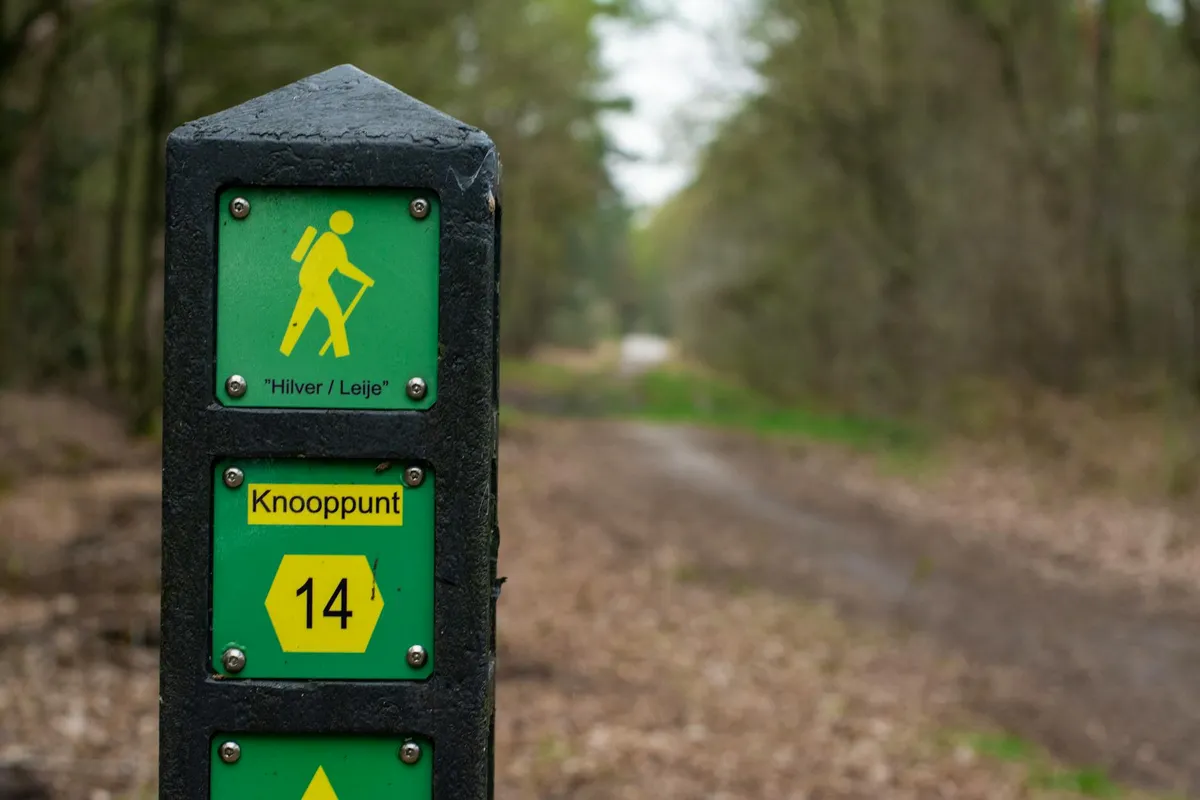
A heritage walking trail is a designated route through an area of historic interest, with markers, plaques, or printed guides that explain the significance of specific buildings, sites, or features along the way. The trail can be self-guided or led by a guide. The information can be conveyed through physical signage, printed materials, audio recordings, or digital applications.
The function of the trail is to make a place legible to people who do not know it well. Without the guide, an unfamiliar town is just buildings and streets. With the guide, the buildings become specific structures with histories, the streets reveal their original purposes, the patterns of urban development become visible.
This making-legible function is more substantial than it might appear. A heritage trail is essentially a structured way of teaching a person how to see a place.
What distinguishes a good heritage trail
The heritage trails I have walked vary substantially in quality. The good ones share several characteristics.
1. They tell stories rather than reciting facts. The plaque that says "Built 1872, Italianate style, listed 1989" is informational but not memorable. The plaque that explains who built the building, why, what business operated there, what happened to it over time, and what it tells us about the period — that plaque produces actual understanding.
2. They include modest sites alongside grand ones. Trails that focus only on architectural masterpieces miss most of what is interesting about a place. The modest commercial buildings, the workers' cottages, the utilitarian structures often tell us more about how people actually lived than the grand churches and civic buildings do.
3. They acknowledge complexity. Good trails do not pretend that places are uncomplicatedly admirable. The history of most places includes injustice, conflict, and loss alongside achievement. Trails that acknowledge complexity produce more complete understanding than trails that present only the celebratory version.
4. They respect the visitor's intelligence. The best trail materials assume the visitor is capable of complex thought. They include nuance, context, and analysis rather than reducing everything to simple statements.
5. They are physically achievable. A trail that requires three hours to walk is unlikely to be completed by most visitors. Good trails are designed for the actual time and energy that visitors will give.
The making of a heritage trail
Most heritage trails exist because small groups of dedicated people decided the place was worth marking. Local historical societies. Heritage councils. Tourism organizations. Sometimes individual enthusiasts who took on the project as a personal mission.
The work of designing a trail is substantial. The route must be chosen. The buildings or sites must be researched. The interpretive material must be written. Physical signage or printed guides must be produced and installed. The trail must be maintained over time as buildings change use, as new information becomes available, as physical infrastructure deteriorates.
The funding for this work typically comes from a combination of sources — small grants, local government contributions, occasional philanthropic support, volunteer labor. Almost no heritage trail is fully funded by any single source.
The result is that the existence of any particular heritage trail reflects the dedication of specific individuals over specific periods. Without that dedication, the trail would not exist. The place would remain illegible to visitors.
What heritage trails teach about places
The cumulative experience of walking many heritage trails has taught me certain patterns about how places work.
Most towns have a discernible founding logic. They are located where they are because of specific geographic features — a river crossing, a mineral resource, a transportation junction, an agricultural opportunity. The original logic shapes everything that comes later.
Towns evolve through identifiable phases. Founding period. Initial growth. Commercial maturation. Industrial transformation. Decline or redevelopment. Each phase leaves architectural and infrastructural traces that remain visible in the contemporary town.
The buildings that survive tell a particular kind of story. The buildings present today are not a random sample of buildings ever built. They are the ones that survived various processes of selection — fire, demolition, modification, abandonment. The pattern of survival is itself informative.
Towns are shaped by both planning and accident. Some patterns reflect deliberate design (street grids, civic squares, planned commercial districts). Other patterns reflect accidents of geography, economics, and individual decisions. Most actual towns are mixtures of both.
These patterns become visible through walking heritage trails in the way they rarely become visible through casual residence.
What heritage trails miss
Heritage trails have characteristic blind spots.
Recent history is often underrepresented. Trails focus on what is old and visually distinctive. The mid-20th century, with its less-prized architectural styles, is often skipped. The contemporary period rarely appears at all.
Domestic life is underrepresented. Trails focus on commercial, civic, and religious buildings. Where ordinary people lived and worked is less commonly addressed.
Marginal communities are often invisible. The standard heritage narrative tends to focus on the dominant community of each period. Migrant communities, indigenous communities, working-class communities, and others often appear only briefly or not at all.
Failure and conflict are minimized. Most trails present a generally positive narrative. The bankruptcies, the conflicts, the failed enterprises, the buildings that burned or were demolished are usually addressed sparingly if at all.
These blind spots are not necessarily faults of specific trails — they reflect the difficulty of the work and the constraints of physical signage. But they suggest the limits of what any heritage trail can convey.
The visitor's practice
For visitors who want to use heritage trails well, several practices help.
- Walk the trail slowly enough to read each marker fully
- Allow time to look at the buildings being described, not just at the plaques
- Ask questions when guided tours offer the opportunity
- Buy the printed guide if available; the printed material usually contains more than the physical signage
- Visit the local historical society if there is one; the staff can often elaborate on what the trail covers
- Walk the trail at different times of day and in different weather; places look different in different conditions
Done well, a heritage trail walk produces understanding that no quantity of casual presence can provide.
A closing observation
I find heritage trails interesting partly because they make visible work that mostly goes unrecognized. The people who created the trail you are walking did substantial work for little recognition. The historical research, the interpretive writing, the physical installation, the ongoing maintenance — all of it required dedication and time.
If you walk a heritage trail and find it valuable, consider thanking the organization that produced it. Donate if they accept donations. Volunteer if you have time. The work continues only because people decide it should continue.
The places we walk through hold history that they cannot tell on their own. The trails translate place into narrative. The narrative produces understanding. The understanding connects us to where we are.
None of this is automatic. All of it depends on people who decided the work was worth doing.