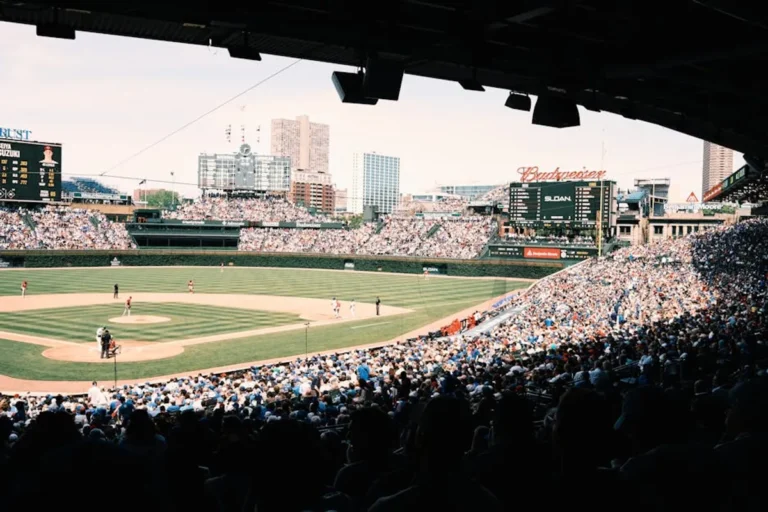

Covering local school events offers a distinct content opportunity for publishers and businesses aiming to deepen community engagement and capture highly localized search traffic. Unlike broad national news, local school events generate specific, low-competition search queries from an engaged audience: parents, students, alumni, and local residents. This niche focus allows for the creation of evergreen content, builds strong community ties, and provides direct avenues for local advertising revenue, making it a commercially viable content strategy.
Strategic Value of Local School Event Coverage
The decision to invest in local school event coverage hinges on its potential to deliver targeted traffic and establish a publication as an indispensable local resource. This content directly addresses informational needs that often go unmet by larger media outlets, creating a valuable void for local publishers to fill.
Identifying Event Opportunities and Audience Interest
Effective coverage begins with understanding the types of events that resonate most with a local audience and aligning them with your publication's resources. Focus on events that consistently draw community interest and have a predictable schedule. These often include:
- Athletic Competitions: Football, basketball, soccer, track meets. These generate consistent interest for game recaps, season schedules, and player highlights.
- Performing Arts: School plays, concerts, band competitions. These events appeal to families and often have ticket sales, creating opportunities for pre-event promotion and post-event reviews.
- Academic Achievements: Honor roll announcements, science fairs, debate club results. These are highly shareable within family networks and boost school pride.
- Community Fundraisers & Fairs: PTO/PTA events, school carnivals, charity drives. These are excellent for community-wide engagement and often involve local businesses.
Best for: Publications seeking to build hyper-local authority and capture specific audience segments.
Content Planning and Keyword Integration
Once event types are identified, a strategic content plan must incorporate local SEO best practices from the outset. This ensures content is discoverable by the intended audience.
Conduct precise keyword research using local modifiers. For example, instead of "high school football," target "[Town Name] High School Football Schedule" or "[School Name] vs. [Rival School] Game Recap." Include school names, mascot names, and specific event titles. This granular approach minimizes competition and maximizes relevance for local searchers.
Consider diverse content formats to appeal to different preferences and maximize engagement:
- Text Articles: Game recaps, event previews, student profiles, interview summaries.
- Photo Galleries: High-quality images from events, often highly shareable on social media.
- Video Highlights: Short clips of key moments, performances, or interviews for platforms like YouTube and local social channels.
- Live Blogs/Updates: For ongoing events like sports tournaments or election results, providing real-time information.
Commercial Application: This content provides natural placements for local business advertisements, sponsored sections, or affiliate links to event-related products (e.g., local sporting goods stores, flower shops for performances).
On-Site Execution and Local SEO Best Practices
Successful on-site coverage requires meticulous planning and a focus on capturing accurate, engaging material.
Pre-Event Coordination
Establish clear communication channels with school administration, athletic directors, or event organizers. Confirm access protocols, interview opportunities, and photo/video permissions. This proactive step prevents last-minute complications and ensures smooth reporting.
During-Event Content Capture
Gather specific details: names of participants, scores, key moments, direct quotes, and atmosphere descriptions. High-quality photography and videography are crucial. Geo-tagging images and videos, where appropriate, further enhances local search visibility.
Post-Event Content Optimization
When publishing, ensure every piece of content is optimized for local search. This includes:
- Title Tags and Meta Descriptions: Incorporate school names, event types, and location.
- Structured Data (Schema Markup): Use Event schema for event listings, and Article schema for recaps. This helps search engines understand the content's context.
- Internal Linking: Link new event coverage to relevant historical content or school profile pages on your site.
- Local Citations: Ensure your publication's Name, Address, and Phone (NAP) information is consistent across all online properties.
Pro Tip: Build strong, consistent relationships with school staff. Access to accurate schedules, participant lists, and quotes often depends on trust. Offer to share your coverage with the school for their own promotional use; this fosters goodwill and ensures future cooperation.
Maximizing Long-Term Content Value
Local school event coverage isn't just about immediate news; it also builds a valuable archive. Event recaps, historical scores, and photo galleries become evergreen resources for alumni, historians, and future students.
Regularly update event schedules, create "best of" galleries from past seasons, or compile historical data. This ongoing maintenance keeps the content fresh and relevant, driving repeat visits and long-term search traffic.
Addressing Common Operational Challenges
Covering local school events can present challenges, particularly for smaller teams or new initiatives.
- Staffing: Limited personnel can make comprehensive coverage difficult. Consider using freelance journalists, local photography enthusiasts, or even training community volunteers.
- Access: Gaining media access can be challenging. A formal letter of introduction and consistent, professional conduct are essential.
- Consistency: Maintaining regular coverage requires a structured editorial calendar and dedicated resources. Prioritize key events and build a scalable system.
Solution: Start small, focusing on one or two key schools or event types, and gradually expand as resources and relationships develop.
Implementing Your Local Event Coverage Strategy
Integrating local school event coverage effectively requires a commitment to community relevance and SEO best practices. By strategically identifying events, optimizing content for local search, and fostering strong school relationships, publishers can create a valuable content vertical. This approach not only drives targeted traffic and potential revenue but also solidifies a publication's role as an essential voice within its local community.
Frequently Asked Questions About School Event Reporting
- How do I get permission to cover school events?
- Start by contacting the school's principal or athletic director. Explain your publication's purpose and how your coverage benefits the school and community. A formal letter outlining your intentions and adherence to school policies is often helpful.
- What are the best types of school events to cover for SEO?
- Sports events (especially football, basketball, and soccer) and performing arts productions typically generate the most consistent local search interest. Academic achievements and community fundraisers also perform well due to high local relevance.
- Can I monetize local school event content?
- Yes, effectively. Common methods include local display advertising, sponsored content from local businesses (e.g., a local pizzeria sponsoring game recaps), and affiliate links for event-related purchases like local team merchandise or concert tickets.
- How can I ensure my content ranks well in local search results?
- Focus on hyper-local keywords (including school names and town names), use schema markup for events and articles, optimize title tags and meta descriptions, and build internal links to related content on your site. Consistent publication and promotion also contribute significantly.