
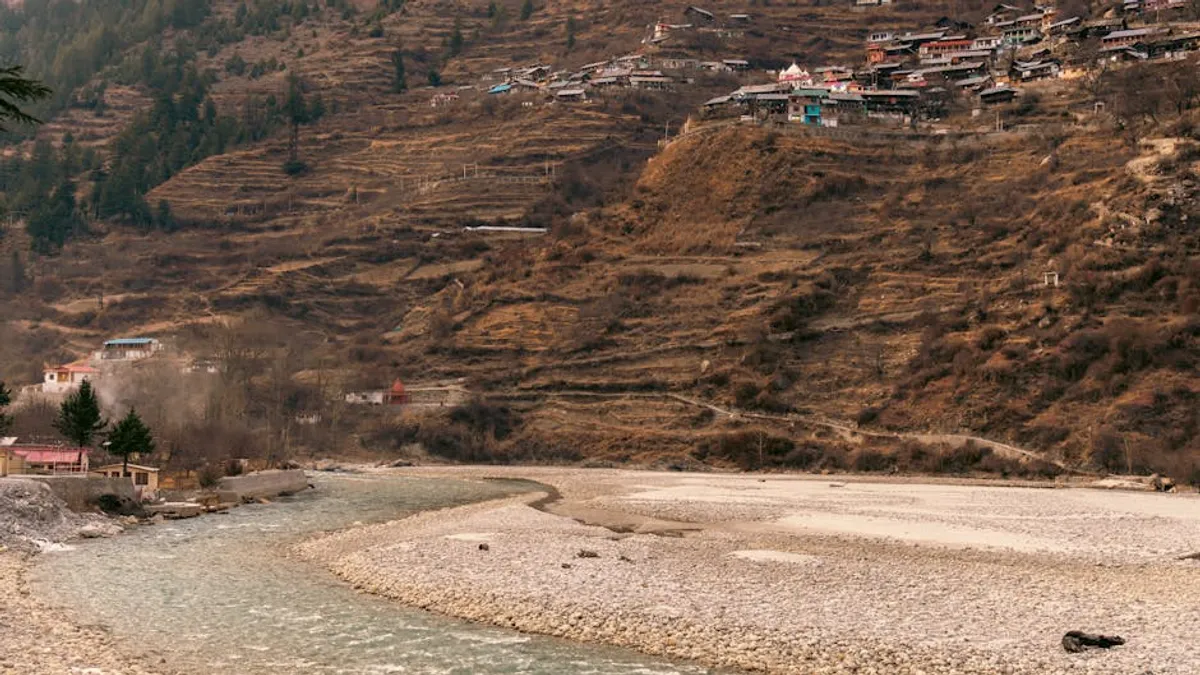
Jibhi, a serene hamlet nestled within Himachal Pradesh's Tirthan Valley, presents a distinct alternative to more commercialized Himalayan destinations. This guide is for travelers prioritizing an authentic experience focused on natural beauty, quietude, and local culture over bustling tourist infrastructure. It outlines essential activities, practical travel logistics, and key tips to ensure a well-prepared and fulfilling visit, enabling informed decisions for a tranquil mountain escape.
Understanding Jibhi's Appeal and Logistics
Geographic Context and Climate
Jibhi is situated at an elevation of approximately 5,300 feet (1,600 meters) in the Banjar Valley, a part of the larger Tirthan Valley. The landscape is characterized by dense pine and deodar forests, traditional wooden houses, and the meandering Jibhi Nala, a tributary of the Tirthan River. The climate is typically temperate, with distinct seasons. Summers (April to June) are mild and pleasant, with temperatures ranging from 15°C to 25°C, ideal for outdoor activities. Monsoons (July to September) bring heavy rainfall, making some trails slippery and roads prone to blockages, though the valley's lushness peaks during this period. Winters (October to March) are cold, with temperatures often dropping below freezing, and snowfall is common, transforming the area into a white landscape suitable for those seeking winter quietude.
Optimal Travel Seasons
The best times to visit Jibhi depend on your preferred activities. For trekking and exploring, the months of April to June and September to November offer the most favorable weather conditions. The post-monsoon period (September-November) provides clear skies and vibrant greenery. For those interested in experiencing snowfall and a quiet, introspective retreat, December to February is suitable, provided you are prepared for cold temperatures and potential road closures due to snow. Avoid the peak monsoon season (July-August) if your itinerary heavily relies on extensive outdoor exploration or easy road access.
Reaching Jibhi: Transportation Options
Jibhi is accessible primarily by road. The nearest major town is Aut, located on the Mandi-Manali National Highway (NH-3). From Aut, Jibhi is approximately a 1.5 to 2-hour drive.
- By Air: The closest airport is Kullu-Manali Airport (Bhuntar Airport - KUU), approximately 60 km from Jibhi. From Bhuntar, you can hire a taxi directly to Jibhi, which takes about 2-3 hours.
- By Rail: The nearest major railway station is Ambala Cantt (UMB) or Chandigarh (CDG). From these stations, you would need to take an overnight bus or hire a taxi to Aut, and then a local taxi or bus to Jibhi.
- By Road:
- Bus: Overnight Volvo or HRTC buses frequently run from Delhi and Chandigarh to Manali. Disembark at Aut Tunnel exit. From Aut, local buses or shared taxis are available to Banjar, and then another short ride to Jibhi.
- Private Taxi/Car: Driving from Delhi takes approximately 12-14 hours, covering around 500 km. The route typically goes via Chandigarh, Mandi, and Aut. Self-driving offers flexibility but requires navigating mountain roads.
Experiencing Jibhi: Key Activities and Attractions
Immersive Nature Trails and Waterfalls
Jibhi's primary draw is its pristine natural environment, offering numerous opportunities for exploration.
- Jibhi Waterfall: A short, accessible trek from the main road leads to this picturesque waterfall, surrounded by dense forest. It's an ideal spot for a leisurely afternoon.
- Serolsar Lake Trek: This moderate trek starts from Jalori Pass (an hour's drive from Jibhi) and leads to the tranquil Serolsar Lake, believed to have healing properties. The path winds through thick oak and pine forests, offering panoramic views. The entire round trip can take 5-6 hours.
- Chehni Kothi: A hike to this ancient tower-temple, one of the tallest standing structures of its kind in Himachal, provides insight into traditional Himachali architecture and offers expansive valley views. The trek is relatively easy and passes through local villages.
- Raghupur Fort Trek: Starting from Jalori Pass, this trek leads to the ruins of Raghupur Fort, offering 360-degree views of the surrounding Himalayan ranges. It's a slightly more challenging trek than Serolsar Lake but rewards with unparalleled vistas.
Cultural Engagement in Local Villages
Beyond its natural beauty, Jibhi and its surrounding areas offer a chance to engage with local culture.
Best for: Authentic local interaction and heritage exploration.
Wander through the traditional villages like Chaini and Ghiyagi, observing the unique Kathkuni style of architecture, characterized by alternating layers of wood and stone. Interact with locals, understand their agrarian lifestyle, and perhaps sample homemade local delicacies. The Shringa Rishi Temple, dedicated to the patron deity of the Banjar Valley, is another significant cultural site, showcasing intricate wooden carvings and local religious practices.
Serene Retreats and Riverside Activities
For those seeking relaxation, Jibhi provides ample opportunities for quiet contemplation. Spend time by the Jibhi Nala, listening to the flowing water, or engage in trout fishing (with proper permits) in the Tirthan River, known for its healthy trout population. Many guesthouses and homestays offer riverside seating or private access, allowing for peaceful moments amidst nature. Bird watching is also a popular activity, given the valley's diverse avian population.
Practicalities for Your Jibhi Journey
Accommodation Choices and Booking Strategies
Jibhi offers a range of accommodation, predominantly consisting of homestays, guesthouses, and a few boutique resorts. The emphasis is on rustic charm and local hospitality.
Best for: Personalized experiences and local insights.
Homestays provide an immersive experience, often including home-cooked meals. Guesthouses offer more standardized amenities. During peak seasons (May-June, October-November, and around New Year's), booking well in advance is crucial due to limited options. Verify amenities like Wi-Fi and hot water, as these can vary significantly between establishments.
Local Gastronomy: What to Savor
Jibhi's culinary scene is characterized by simple, fresh, and locally sourced ingredients. Traditional Himachali dishes are a highlight.
- Siddu: A local steamed bread, often served with ghee or mutton.
- Trout Fish: Freshly caught from the Tirthan River, prepared in various styles.
- Rajma Chawal: Kidney beans and rice, a staple comfort food.
- Local Vegetables: Seasonal greens and root vegetables prepared with minimal spices.
- Pahari Chai: Traditional spiced tea, often brewed with local herbs.
Most homestays offer meals as part of their package, providing an authentic taste of the region. Local dhabas (small eateries) also serve basic but flavorful fare.
Budgeting Your Trip
Jibhi is generally a budget-friendly destination compared to more popular hill stations.
Estimated daily costs (per person):
- Accommodation: ₹800 - ₹3,000 (US$10-40) depending on homestay vs. guesthouse/resort.
- Food: ₹500 - ₹1,000 (US$7-14) for basic meals at homestays or dhabas.
- Transportation: Varies significantly. Local shared taxis are economical (₹50-200 per ride), while private taxis for day trips can range from ₹1,500-₹3,000 (US$20-40).
- Activities: Most treks are free, but guides (recommended for longer treks) can cost ₹1,000-₹2,000 (US$14-27) per day.
An average daily budget of ₹2,000 - ₹4,000 (US$27-55) per person allows for comfortable travel, excluding major transport to and from Jibhi.
Essential Safety and Responsible Tourism Practices
Pro Tip: Given Jibhi's growing popularity and limited infrastructure, especially during peak seasons, secure your accommodation and any specialized tour guides well in advance. Last-minute bookings often result in fewer options and higher prices, detracting from the intended peaceful experience.
While Jibhi is generally safe, it's prudent to take standard travel precautions. Inform your accommodation hosts of your trekking plans. Carry basic first-aid, sufficient warm clothing, and rain gear. Respect local customs and traditions; dress modestly, especially when visiting temples. Practice responsible tourism by not littering, minimizing plastic use, and supporting local businesses. Avoid disturbing wildlife and maintain a respectful distance from natural habitats. The region is plastic-free, so carry reusable water bottles and bags.
Maximizing Your Jibhi Experience
To fully appreciate Jibhi, approach your visit with an open mind and a willingness to disconnect. Prioritize experiences that align with the valley's tranquil nature: long walks, engaging with local communities, and simply enjoying the serene environment. Embrace the slower pace of life. While connectivity is improving, expect intermittent mobile network and Wi-Fi access, which can be an opportunity to truly unplug. Pack layers of clothing, comfortable walking shoes, and a power bank. Engage with your hosts for local insights and recommendations, as they often know the best hidden spots and cultural nuances. Your trip to Jibhi can be a restorative journey, provided you plan for its unique characteristics and embrace its quiet charm.
Frequently Asked Questions
Is Jibhi suitable for families with children?
Yes, Jibhi is suitable for families, especially those who enjoy nature and quiet outdoor activities. Many homestays are family-friendly, and short, easy treks like the Jibhi Waterfall are manageable for children. However, some longer treks might be too strenuous for very young children.
What are the banking and ATM facilities like in Jibhi?
Jibhi itself has limited ATM facilities, and they may not always be operational. It is advisable to carry sufficient cash. The nearest reliable ATMs and banking services are available in the larger town of Banjar, approximately 8 km away.
Is it necessary to hire a guide for treks in Jibhi?
For shorter, well-marked trails like the Jibhi Waterfall or Chehni Kothi, a guide is not strictly necessary. However, for longer or less-traveled treks such as Serolsar Lake or Raghupur Fort, especially if you are unfamiliar with the terrain or weather conditions, hiring a local guide is highly recommended for safety and to enhance your experience with local knowledge.
What kind of mobile network coverage can I expect in Jibhi?
Mobile network coverage in Jibhi can be inconsistent. Jio and Airtel generally offer the best connectivity, but signals can be weak or intermittent in certain pockets of the valley. It's best not to rely solely on mobile data for navigation or communication. Download offline maps and inform your contacts of potential connectivity issues.