
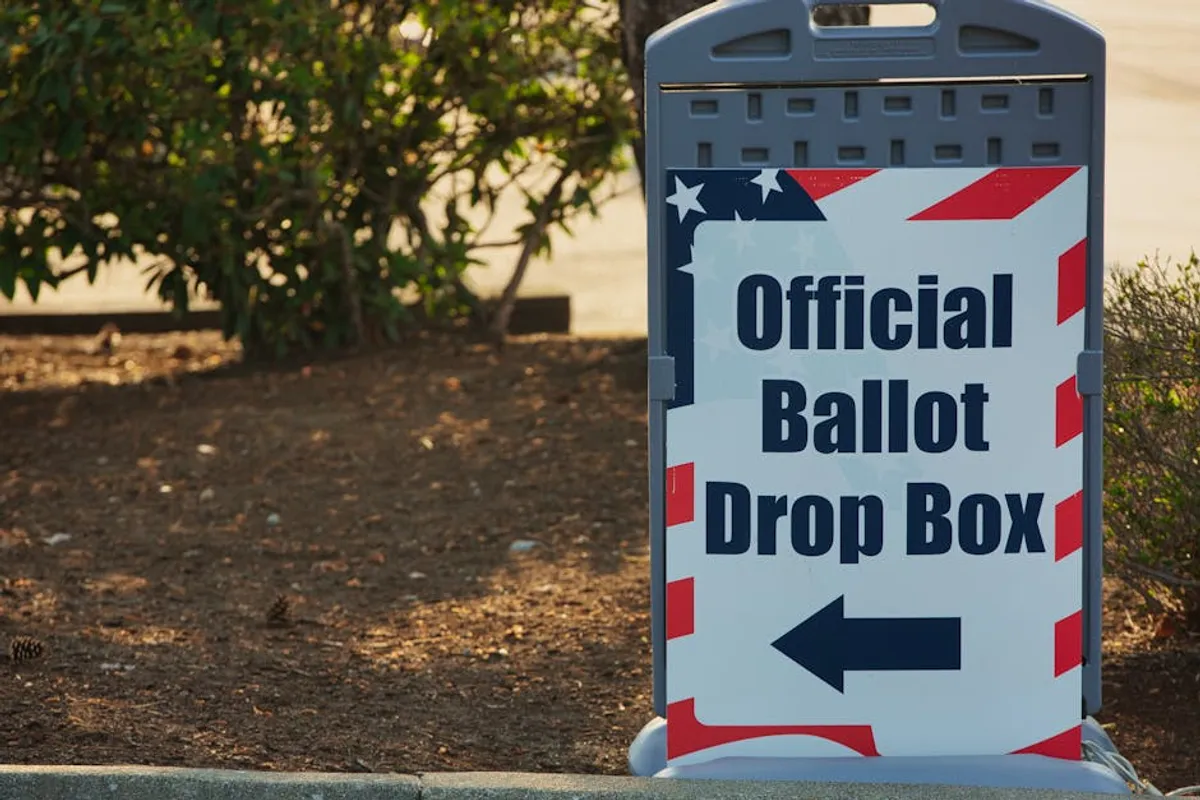
Covering local election results presents a unique content and technical challenge for publishers. The demand for accurate, real-time information peaks intensely over a short period, then transitions into a need for reliable historical data and analysis. Successfully navigating this requires a strategic approach that prioritizes technical readiness, content agility, and post-election utility. Publishers must optimize not just for immediate search visibility on election night, but also for long-term relevance, ensuring their results pages become trusted, evergreen resources.
Pre-Election Planning for Results Coverage
Effective election results coverage begins long before polls close. A robust pre-election strategy lays the groundwork for seamless execution and sustained audience engagement, impacting both immediate traffic and long-term authority.
Content Strategy and Keyword Research
Pinpoint the specific local races that matter most to your audience. This involves identifying key offices (e.g., mayoral, city council, school board, county commissioner) and the districts or precincts involved. Conduct granular keyword research around these specific races, anticipating how local constituents will search for results. Focus on queries like "mayor election results [city] [year]," "council district [number] vote count," or "school board candidates [town] winner." Develop content templates for each race, including placeholders for candidate names, vote totals, percentages, and precinct-level data. Pre-write explanatory text about the significance of each race and its potential impact, which can be quickly deployed once results are available. This proactive content creation minimizes real-time writing pressure and ensures comprehensive coverage.
Technical Setup for Real-Time Updates
The technical infrastructure must support rapid data ingestion and display. Implement a robust content management system (CMS) capable of handling high traffic spikes and frequent updates without performance degradation. For displaying results, consider dynamic data visualization tools or custom-built dashboards that can pull from official election data feeds (e.g., state election boards, county clerk offices). Ensure these systems are integrated for automated updates where possible, reducing manual intervention. Deploy schema markup (e.g., Event, NewsArticle, or custom local government schemas if applicable) on results pages to enhance search engine understanding and improve visibility in news carousels or rich snippets. Prioritize mobile-first design; a significant portion of election night traffic will originate from mobile devices, demanding fast load times and intuitive interfaces.
Data Sourcing and Verification
Establish clear, authoritative data sources well in advance. This typically includes official county election websites, state election boards, or reputable news consortiums that aggregate results. Develop a verification protocol to cross-reference results from multiple sources before publishing. This minimizes the risk of disseminating inaccurate information, which can severely damage credibility. Designate specific team members responsible for monitoring these feeds and updating the results pages, ensuring a clear chain of command and accountability during the high-pressure election night.
During Election Night: Real-Time Reporting Tactics
Election night is a sprint where speed, accuracy, and technical reliability are paramount. Your strategy must ensure immediate visibility and a smooth user experience as results unfold.
Live Page Optimization
Designate a primary "live results" page that serves as the central hub for all election night coverage. This page should be continuously updated with the latest vote counts, projections, and winner declarations. Optimize this page for maximum crawlability and indexability, ensuring search engines can quickly process new information. Use clear, concise headings for each race and candidate, making it easy for users to scan and find specific results. Implement a live blog feature or real-time commentary alongside the numerical data to provide context and analysis as events unfold. Ensure the page refreshes automatically without requiring a full page reload, providing a seamless experience for users monitoring results over extended periods.
SERP Visibility and News Carousel
To maximize visibility in search engine results pages (SERPs) and news carousels, focus on timeliness and authority. Ensure your election results pages are structured to clearly signal their real-time nature to search engines. Publish updates frequently, even minor ones, to indicate freshness. Leverage structured data for news articles and events to help search engines understand the content's context and relevance. Promote your live results page through social media and email newsletters as soon as polls close, driving initial traffic that can signal relevance to search engines. Consistent, authoritative updates throughout the night are critical for maintaining a prominent position in competitive SERP features.
Pro Tip: Prioritize data source verification above all else. Disseminating incorrect election results, even momentarily, severely damages credibility and can lead to significant audience churn. Implement a double-check system for every key data point before publishing.
Post-Election Analysis and Evergreen Content
Once the immediate rush of election night subsides, the focus shifts to transforming ephemeral results into lasting, valuable content that continues to serve your audience and drive organic traffic.
Transitioning Live Pages to Static Resources
After all results are certified, convert your dynamic election night pages into static, archived resources. Update all content to reflect final, official outcomes. Remove any "live" indicators or auto-refresh functionalities. These pages then become valuable historical records, serving as reference points for future elections or analytical pieces. Ensure internal links from broader election coverage or relevant local news articles point to these newly static, authoritative results pages. This maintains their SEO value and provides a clear, permanent record for users seeking past election data.
Long-Term Content Opportunities
The election results provide a rich foundation for in-depth analysis and evergreen content. Develop articles that explore the "why" behind the results: voter turnout trends, demographic shifts, the impact of specific issues, or comparisons to previous election cycles. Create profiles of newly elected officials, detailing their platforms and potential impact on the community. These analytical pieces and profiles can attract long-tail search traffic for months or even years post-election. Consider creating data visualizations or interactive maps that illustrate voting patterns, offering unique insights that differentiate your content.
- Produce in-depth profiles of winning candidates.
- Analyze voting patterns by precinct or demographic.
- Compare current results with historical election data.
- Create explainer content on the implications of new leadership.
- Develop interactive maps showing voter turnout or specific ballot measure outcomes.
Performance Review
Conduct a thorough post-mortem analysis of your election coverage. Evaluate key metrics such as page views, unique visitors, time on page, bounce rate, and search engine ranking performance for target keywords. Identify which content pieces performed best and why. Analyze technical performance, including page load speeds and uptime during peak traffic. Gather feedback from your editorial and technical teams on workflow efficiencies and bottlenecks. This comprehensive review provides critical insights for refining your strategy and improving coverage for subsequent election cycles, building a more robust and reliable process over time.
Sustaining Authority Through Election Cycles
Successfully covering local election results is not a one-time event but an ongoing commitment to public service and journalistic integrity. By meticulously planning pre-election content and technical infrastructure, executing real-time updates with precision, and transforming transient results into enduring resources, publishers can establish themselves as the definitive local authority. This consistent delivery of accurate, accessible information builds audience trust and secures long-term organic search visibility, turning election cycles into opportunities for sustained growth and community impact.
Frequently Asked Questions
How can I ensure my election results pages load quickly under high traffic?
Optimize images, leverage browser caching, use a Content Delivery Network (CDN), and ensure your server infrastructure can scale to handle traffic spikes. Prioritize critical rendering path optimization for immediate content display.
What is the best way to present real-time vote counts?
Use clear, concise data tables or interactive dashboards that automatically refresh. Highlight key metrics like total votes, percentages, and the number of precincts reported. Ensure accessibility for all users.
Should I create separate pages for each local race?
While a central hub page is essential, creating individual, detailed pages for high-interest races can enhance SEO. These dedicated pages allow for more specific keyword targeting and in-depth content, which can then be linked from your main results page.
How do I update election results without hurting my SEO?
Continuously update the same URL rather than creating new pages for each update. Use structured data to signal changes and ensure your server response codes (e.g., 200 OK) remain consistent. Frequent, incremental updates demonstrate freshness to search engines.