
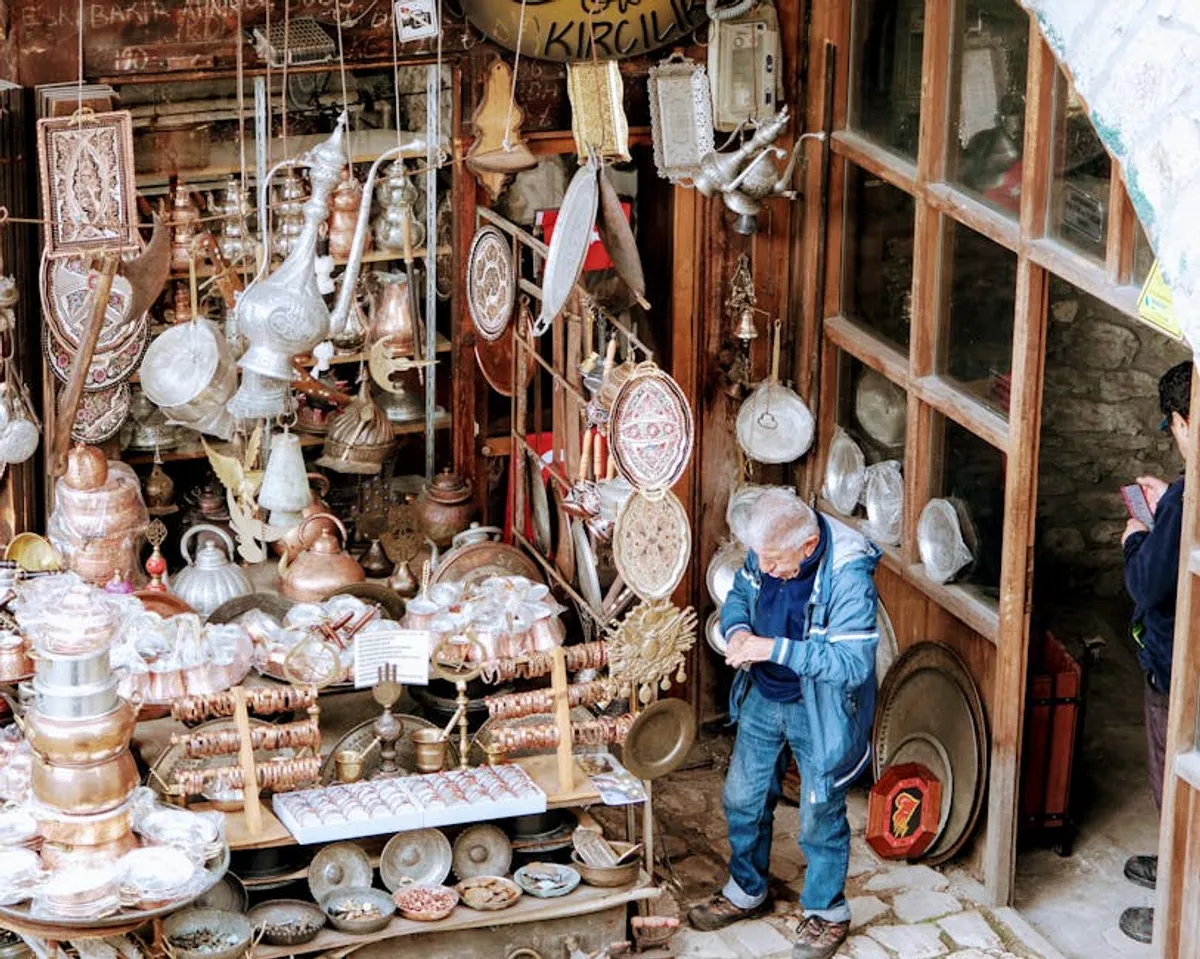
Communities thrive when they understand and celebrate their past. Preserving local heritage isn't just about nostalgia; it’s a strategic investment in cultural identity, economic development, and educational enrichment. For local businesses, tourism boards, and civic organizations, a well-documented heritage provides unique content opportunities, strengthens community bonds, and attracts visitors seeking authentic experiences. This guide outlines practical steps for communities to systematically identify, protect, and share their unique historical narratives.
Establishing the Foundation: Identifying Heritage Assets
Effective heritage preservation begins with a thorough understanding of what needs preserving. This initial phase requires a systematic approach to cataloging both tangible and intangible elements that define a community's unique past.
Cataloging Tangible Heritage
Tangible heritage encompasses physical objects and places that hold historical significance. This includes structures, archaeological sites, artifacts, and natural landscapes shaped by human activity. The process involves:
- Architectural Surveys: Documenting historic buildings, structures, and districts, noting architectural styles, construction dates, and original uses. This data often informs local zoning and preservation ordinances.
- Artifact Inventories: Cataloging objects found in local museums, private collections, or archaeological digs. Each item requires detailed descriptions, photographic records, and provenance research to establish its historical context.
- Landscape Assessments: Identifying natural and cultural landscapes, such as historic parks, battlefields, or traditional agricultural lands, that reflect a community's development and interactions with its environment.
Documenting Intangible Heritage
Intangible heritage refers to the non-physical aspects of a community's culture, often passed down through generations. These include oral traditions, performing arts, social practices, rituals, festive events, knowledge, and skills. Capturing these elements requires different methodologies:
- Oral History Collection: Recording interviews with elders and long-term residents to capture personal narratives, local folklore, and eyewitness accounts of historical events. This provides firsthand perspectives often missing from written records.
- Traditional Skills Documentation: Filming or photographing local artisans demonstrating traditional crafts, cooking methods, or agricultural techniques. Detailed process descriptions ensure the knowledge can be replicated.
- Folklore and Music Archiving: Transcribing local songs, stories, and proverbs. This helps preserve unique linguistic expressions and cultural narratives.
Crafting a Community-Driven Preservation Strategy
Once assets are identified, the next step is to develop a comprehensive plan that leverages community involvement and secures necessary resources. A successful strategy is inclusive and sustainable.
Engaging Local Stakeholders and Volunteers
Community buy-in is critical. Organize public meetings, workshops, and volunteer recruitment drives to involve residents, local businesses, historical societies, and educational institutions. Assigning specific roles and responsibilities fosters a sense of ownership and commitment. For instance, local high school history classes can assist with oral history projects, while retired professionals might offer expertise in archiving or grant writing.
Securing Funding and Resources
Preservation efforts often require financial support. Explore various funding avenues:
- Grant Applications: Research local, state, and national grants from heritage foundations, arts councils, and government agencies. Tailor proposals to align with their specific funding priorities, often focusing on community impact, educational outreach, or historical significance.
- Local Government Support: Advocate for line items in municipal budgets or the establishment of dedicated heritage commissions.
- Crowdfunding and Donations: Launch targeted campaigns for specific projects, appealing to community pride and the desire to preserve local identity. Offer tiered donation incentives, such as naming opportunities or exclusive access to preserved sites.
- Partnerships: Collaborate with local businesses for sponsorship or in-kind donations of materials or services.
Pro Tip: When seeking funding, clearly articulate the economic and social benefits of heritage preservation. Highlight how revitalized historic districts can boost local tourism, increase property values, and create jobs. Quantifiable data on visitor numbers or projected economic impact strengthens grant applications significantly.
Digital Documentation and Public Accessibility
Modern preservation extends beyond physical archives. Digitization makes heritage accessible to a wider audience, ensuring longevity and facilitating research.
Implementing Digital Archiving Protocols
Convert physical documents, photographs, and audio recordings into digital formats. Use high-resolution scanning for documents and images, and professional-grade audio/video equipment for oral histories. Implement consistent metadata standards (e.g., Dublin Core) to ensure discoverability and long-term management of digital assets. Store data on secure, redundant servers with regular backups.
Leveraging Digital Platforms for Outreach
Once digitized, heritage materials can be shared through various online channels:
- Dedicated Websites: Create a central online hub for the community's heritage collection, featuring searchable databases, virtual exhibits, and interactive maps.
- Social Media: Use platforms like Instagram, Facebook, and local community groups to share historical photos, short stories, and event announcements, engaging a broader audience, particularly younger demographics.
- Online Mapping Tools: Integrate historical data with GIS (Geographic Information System) platforms to create interactive maps showcasing historic sites, walking tours, or changes in the landscape over time.
- Educational Resources: Develop online lesson plans, activity sheets, and multimedia presentations for local schools, making heritage education engaging and accessible.
Sustaining Heritage for Future Generations
Preservation is an ongoing commitment. Long-term stewardship ensures that heritage assets remain protected and relevant.
Establishing Governance and Partnerships
Form a dedicated heritage committee or non-profit organization with a clear mission, bylaws, and a diverse board. Foster partnerships with academic institutions, state historical societies, and national preservation organizations to access expertise, training, and additional resources. These alliances provide a framework for sustained effort and shared knowledge.
Ensuring Legal Protection and Conservation
Work with local authorities to establish protective measures such as historic district designations, conservation easements, and landmark status for significant sites. These legal tools prevent inappropriate development or demolition. Implement regular maintenance schedules for historic buildings and artifacts, employing conservation specialists when necessary to address specific deterioration issues.
Practical Steps for Long-Term Heritage Stewardship
Effective stewardship requires ongoing engagement and adaptive strategies to maintain relevance and secure resources.
Regularly update digital archives with new findings and technologies. Conduct annual reviews of the preservation plan, adjusting goals based on community needs, funding availability, and emerging heritage threats. Develop a succession plan for committee leadership and key volunteers to ensure continuity. Actively solicit feedback from the community to gauge interest and identify new areas for heritage exploration and preservation.
Frequently Asked Questions
Why is local heritage preservation important for communities?
Local heritage preservation reinforces community identity, educates residents about their past, stimulates local tourism, and contributes to economic development by revitalizing historic areas and creating unique cultural attractions. It provides a sense of place and continuity across generations.
How can small communities begin a heritage preservation project with limited resources?
Small communities can start by prioritizing oral history collection, leveraging volunteer labor, partnering with local schools or universities for research assistance, and seeking small grants from local foundations. Focusing on one or two key projects initially can build momentum and demonstrate impact, attracting further support. Consider how effective communication strategies can aid you in starting a new local community group and ensuring its success.
What role does technology play in modern heritage preservation?
Technology is crucial for digitizing historical records, creating virtual exhibits, developing interactive maps, and providing online access to collections. It ensures wider dissemination, long-term preservation against physical decay, and facilitates global research and educational outreach.
How can communities ensure the long-term sustainability of their heritage initiatives?
Sustainability requires establishing a dedicated governance structure (e.g., a non-profit), securing diverse funding streams, fostering strong community engagement, and developing adaptive plans that respond to changing needs and opportunities. Regular maintenance, legal protections, and educational programs are also vital for enduring impact.