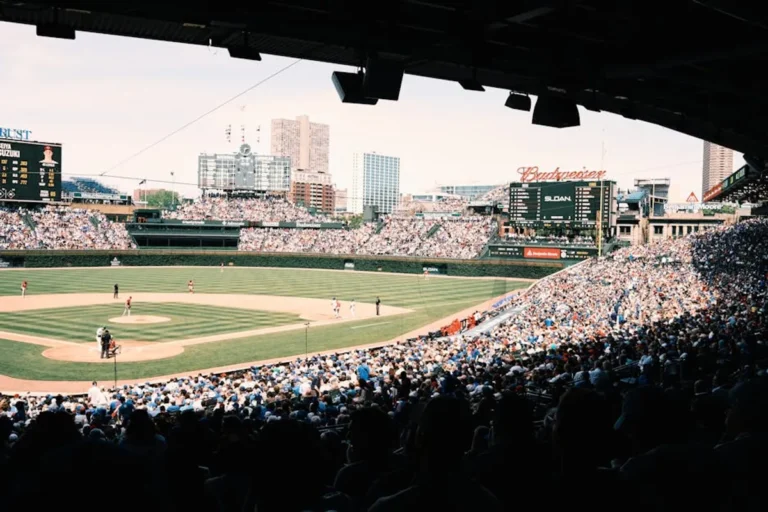
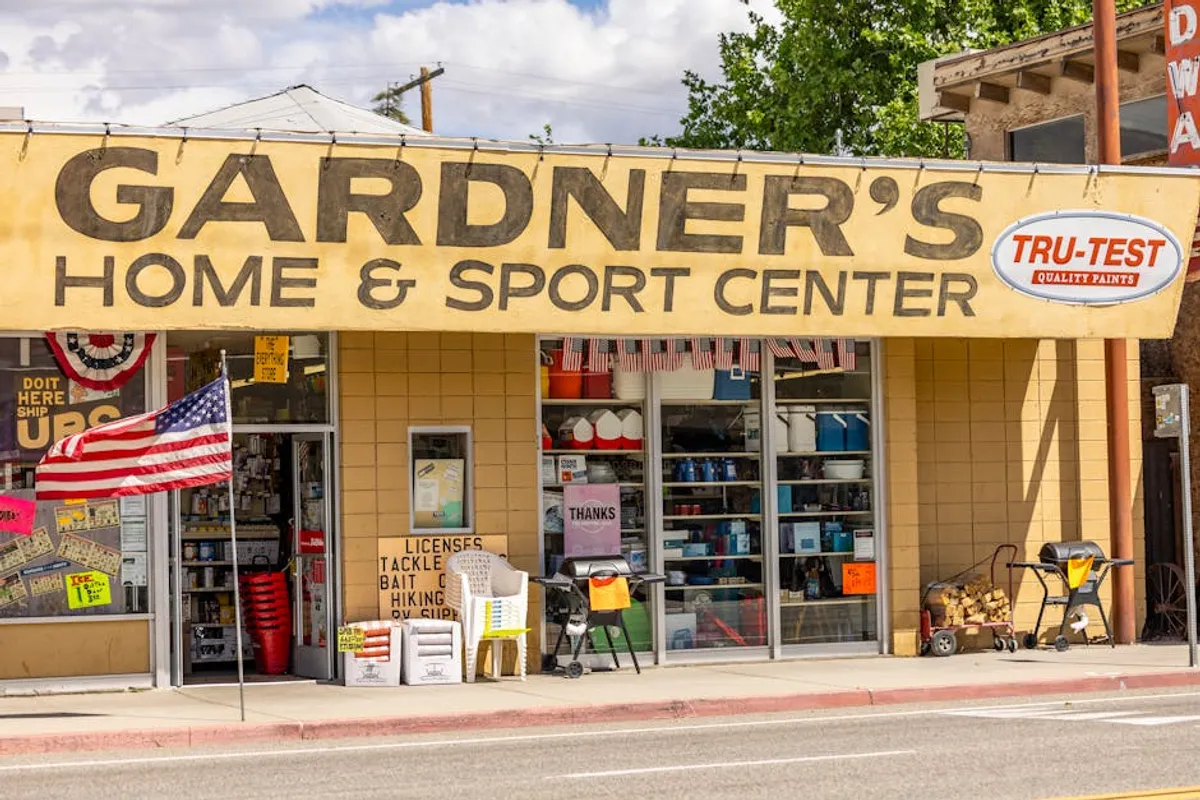
Community sites seeking to deepen local engagement and establish a sustainable revenue stream often overlook the significant commercial potential within local sports coverage. Unlike national or regional news outlets, community publishers are uniquely positioned to offer hyper-local insights, player-specific stories, and behind-the-scenes access that larger media cannot replicate. This content niche not only fosters strong community ties but also creates direct advertising opportunities with local businesses eager to reach a highly targeted audience.
The key for community sites lies in understanding specific content types that resonate, implementing effective monetization strategies, and optimizing for local search visibility. This approach moves beyond simply reporting scores to building a valuable, distinct digital asset.
Core Content Strategies for Community Sports
Effective local sports coverage extends beyond basic game recaps. Diversifying content types ensures broader appeal and deeper engagement across different segments of the community, from passionate fans to parents and local businesses.
- Detailed Game Previews and Recaps: Go beyond scores. Focus on local team dynamics, key player matchups, and coaching strategies. For recaps, include quotes from coaches or standout players, highlight critical plays, and discuss the local impact of the outcome.
- Player and Coach Spotlights: Humanize the athletes and mentors. Feature interviews with local high school stars, youth league coaches, or long-serving volunteers. These stories build emotional connections and celebrate individual achievements within the community.
- Team and League News: Publish schedules, standings, roster changes, and practice updates. This practical information becomes a daily resource for families and fans. Consider creating dedicated pages for each local team or league, updated consistently.
- Historical Features and Anniversaries: Tap into community nostalgia. Interview former players, share archival photos, or commemorate significant local sports milestones. This content appeals to older demographics and provides a sense of continuity.
- Behind-the-Scenes Access: Document team practices, fundraising events, or community service initiatives involving local athletes. This offers a unique perspective that major media typically misses, highlighting the dedication and effort involved in local sports.
Monetization Pathways for Local Sports Content
Local sports content provides direct avenues for revenue generation, often through partnerships that benefit both the publisher and local businesses.
Local Advertising and Sponsorships: This is the most direct path. Identify businesses that align with local sports demographics.
- Team or League Sponsorships: Offer local businesses (e.g., auto dealerships, restaurants, real estate agents) exclusive sponsorship of a specific team's coverage, including logo placement on team pages, sponsored posts, or ad banners.
- Event Sponsorships: Secure sponsors for local tournaments, championship games, or end-of-season awards. This can include digital ad placements, mentions in articles, and social media promotion.
- Category Exclusivity: Offer a local sporting goods store or physical therapist exclusive advertising rights within sports-related health and fitness content.
Premium Content and Memberships: For dedicated fans, consider offering enhanced access.
- Exclusive Interviews: Provide members with access to in-depth interviews with coaches or local legends not available to the general public.
- Advanced Statistics: Compile and present detailed local sports statistics or analytics that go beyond standard box scores.
- Early Access: Offer subscribers early access to game previews or breaking news related to local teams.
Merchandise and Event Promotion: Partner with local schools or leagues to promote and sell team merchandise, taking a commission on sales. Similarly, facilitate ticket sales for local games or events, offering a percentage to the site.
Optimizing for Local Search and Engagement
Visibility is crucial for community sites. Strategic SEO and engagement tactics ensure local sports content reaches its intended audience.
Hyperlocal Keyword Targeting: Integrate specific town names, school names, and league names into article titles, headings, and body text. For example, instead of "High School Football," use "Springfield High School Football Schedule" or "Maplewood Youth Soccer League Standings." This precision helps attract users performing highly specific local searches.
Schema Markup Implementation: Utilize structured data to help search engines understand your content. For sports, consider:
- SportsEvent Schema: Mark up game schedules, dates, and participating teams.
- SportsTeam Schema: Provide details about local teams, including rosters and coaches.
- Person Schema: Highlight individual players or coaches with their achievements.
This markup can enhance visibility in rich results and local knowledge panels.
Community Contribution and User-Generated Content: Encourage local coaches, parents, or student journalists to submit game summaries, photos, or video clips. This not only expands content volume but also fosters a sense of ownership and community involvement. Implement clear submission guidelines and moderation processes.
Social Media Integration: Actively share content on local community Facebook groups, Instagram, and Twitter. Use relevant local hashtags. Consider live-tweeting games or hosting Q&A sessions with local sports figures to drive real-time engagement.
Pro Tip: Focus on unique angles that larger media overlooks. While national outlets cover professional sports, community sites thrive on the personal stories, local rivalries, and volunteer efforts that define grassroots athletics. Authenticity and deep local connection are your competitive advantages; do not try to out-report ESPN, but rather out-connect them to the immediate community.
Operationalizing Your Sports Coverage
Sustaining local sports coverage requires a practical framework for content creation and management.
Building a Contributor Network: Recruit local volunteers, student journalists from high schools or colleges, and even passionate parents or coaches. Provide clear guidelines, basic training on content standards, and a simple submission process. Offer bylines to acknowledge their contributions.
Content Calendar Planning: Develop a seasonal content calendar that aligns with local sports schedules. Plan for pre-season coverage, regular-season highlights, playoff previews, and off-season features. This ensures consistent content flow and prevents last-minute scrambling.
Photography and Videography Resources: High-quality visuals significantly boost engagement. Invest in basic equipment or partner with local photography clubs or student media programs. Always secure appropriate permissions for publishing images of minors and ensure proper attribution.
Sustaining Your Local Sports Section
Building a successful local sports section for a community site requires consistent effort, a clear understanding of your audience, and a commitment to hyper-local detail. By focusing on unique stories, engaging the community, and implementing smart monetization and SEO strategies, community publishers can transform local sports coverage from a niche interest into a central, commercially viable pillar of their content offerings.
Frequently Asked Questions
How can a small team effectively cover multiple local sports?
Prioritize. Focus on the most popular local sports first, then expand. Leverage community contributors (volunteers, student journalists) for broader coverage, providing clear guidelines and editing support.
What are the best ways to find local businesses for sponsorships?
Start with businesses that already support local sports, such as sporting goods stores, restaurants, or auto dealerships. Directly approach them with tailored proposals showcasing your audience demographics and content reach.
Is it necessary to have professional photographers for local sports?
While professional photography is ideal, it's not always necessary to start. High-quality smartphone photos or contributions from local enthusiasts can be sufficient. Focus on capturing key moments and clear images, ensuring proper consent.
How often should local sports content be updated?
Aim for consistency. During active seasons, daily or every-other-day updates for game recaps and news are ideal. During off-seasons, weekly features, player spotlights, or historical content can maintain engagement.